Planning A Software Development Project Essentials
Laying the groundwork before a single line of code is written can mean the difference between smooth delivery and costly firefighting. Early alignment around objectives, scope, and resources can save millions in rework and boost ROI.
Large IT initiatives over $15 million often exceed budgets by 45%, slip schedules by 7%, and deliver 56% less value than planned. Dive deeper in Brainhub’s research.
Key Planning Phases Overview
PhasePurposeDeliverableScopingDefine objectives and boundariesProject charterStakeholder AlignmentSecure buy-in and clarify rolesWorkshop outcomesArchitecture DesignMap data flows and tech stackArchitecture diagramsResource PlanningAssign teams and budgetsResourcing planRisk AssessmentIdentify and mitigate potential issuesRisk register
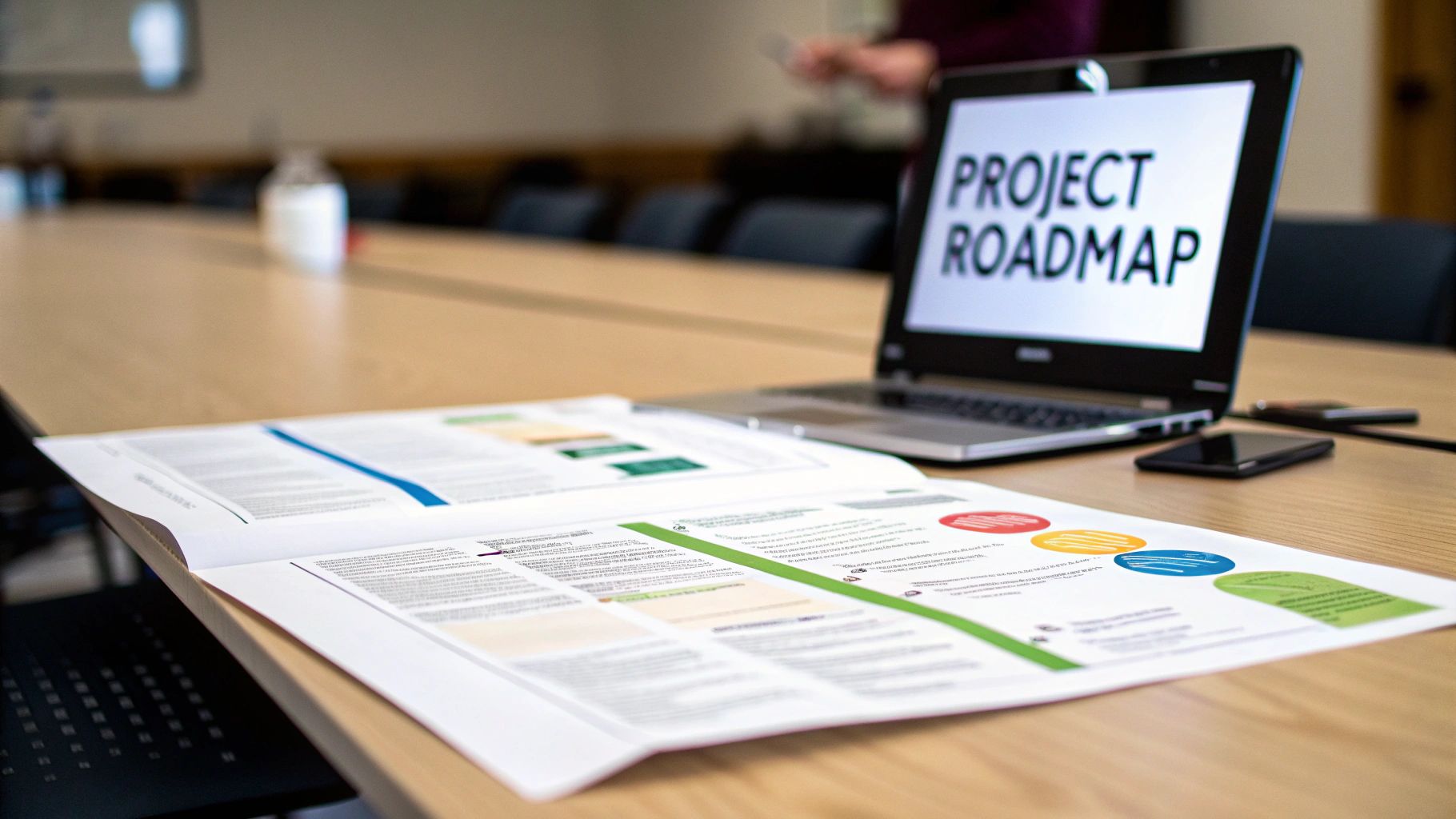
Visual Roadmap Sample
This Gantt chart highlights phase timing, dependencies, and milestone checkpoints to keep teams in sync.
Summary Of Planning Essentials
- Aligns strategic goals with technical scope
- Reduces overruns and slippage
- Clarifies deliverables, success metrics, and reviews
- Creates a repeatable framework for improvement
Tip: Kick off with a scoping workshop to capture use cases, assumptions, and acceptance criteria early.
Why Start Planning Early
Early discovery of data integrations, compliance hurdles, or third-party dependencies prevents mid-development surprises. Agreeing on “done” upfront avoids scope tangles and last-minute pivots.
Key Planning Outcomes
- A clear project charter with measurable success metrics
- A unified roadmap bridging business and technical teams
- A living risk register with mitigation strategies
- Predefined iterative review checkpoints
Use Case: In a healthcare analytics rollout, early roadmap alignment flagged integration risks and avoided six months of delay.
Next Steps Preview
You’ll find hands-on exercises for stakeholder workshops, requirement templates, and acceptance-criteria checklists—tools that enforce discipline and focus.
In one retail project, early alignment cut rework by 30%, saving over $2 million.
Best Practices Highlight
- Weekly checkpoint reviews with key stakeholders
- Treat your risk register as a living document
- Version architecture diagrams to track changes
Align Stakeholders and Define Requirements
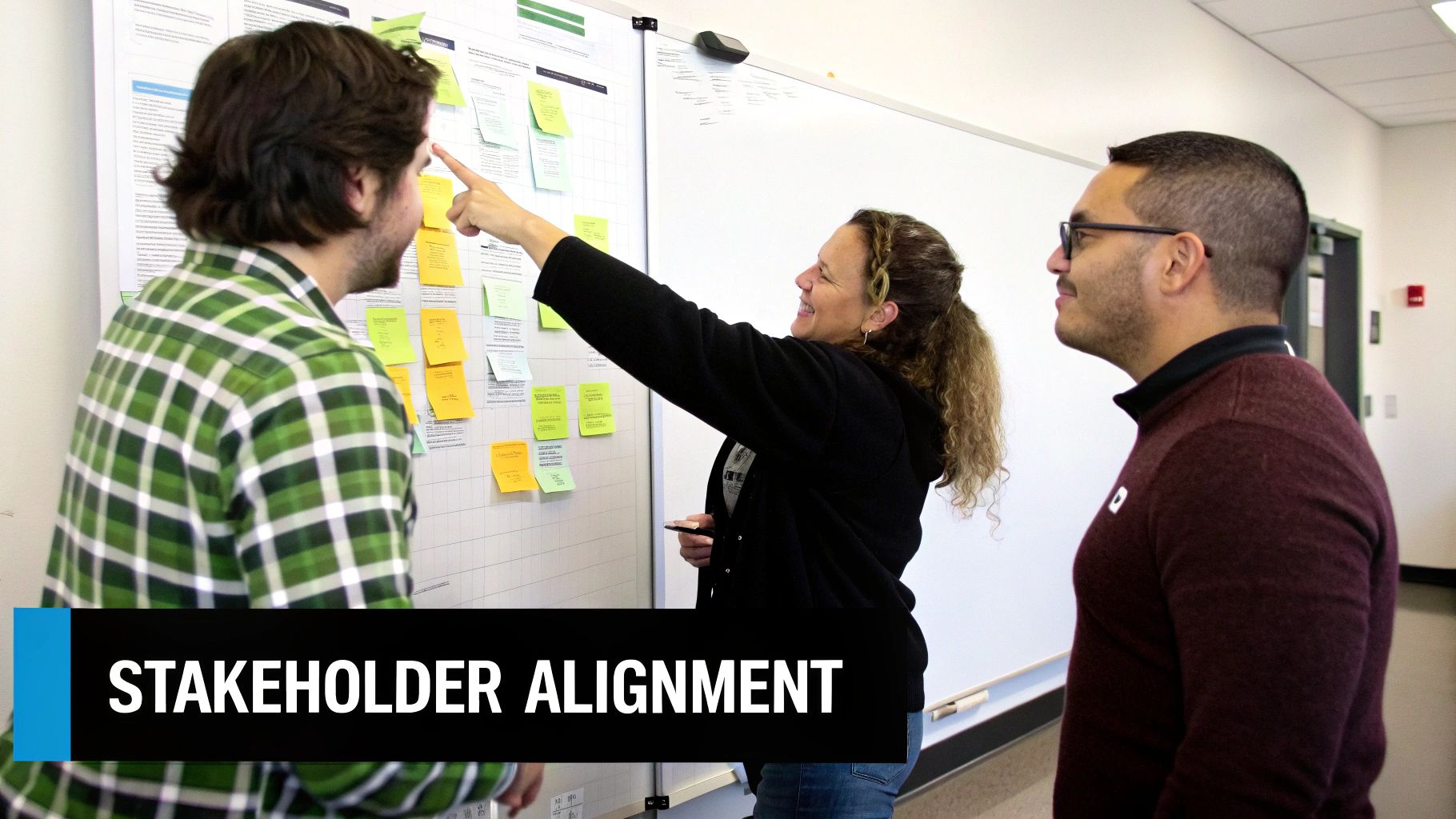
Fuzzy objectives become clear to-dos when everyone shares the same vision. Alignment at the outset prevents costly rework and scope creep.
Facilitating Discovery Workshops
Bring together:
- Executive sponsors for strategic direction
- Business analysts for functional clarity
- Technical leads for feasibility insights
- A neutral moderator to steer debates
Timed brainstorming and open-ended questions surface hidden concerns and build consensus.
Defining Use Cases and Acceptance Criteria
- Sketch core user journeys to prevent later change requests.
- Spell out performance thresholds, security rules, and compliance needs.
- Validate criteria with real users and store tests in a shared repo.
Use Case: Locking down three core journeys upfront cut 40% of later change requests.
Prioritizing Competing Requests
- Plot on an impact vs. effort grid
- Agree on scoring criteria together
- Assign owners and schedule re-prioritization checkpoints
Use Case: A retail team mapped five personas and focused on two high-value paths, slashing spec revisions by 35% and cutting four weeks off development.
Preventing Scope Creep
- Lock scope after sign-off
- Funnel new ideas through a change-request form
- Score requests by impact and cost
- Review at weekly governance meetings
Key Workshop Roles
- Moderator: keeps agenda and time
- Scribe: captures decisions and actions
- Stakeholder Rep: brings business needs
- Technical Lead: flags risks
Aligning stakeholders reduces late-stage changes and cuts rework costs by over 30%.
Define Solution Architecture And Technical Plan
A robust blueprint uncovers integration points and clarifies data ownership before coding begins.
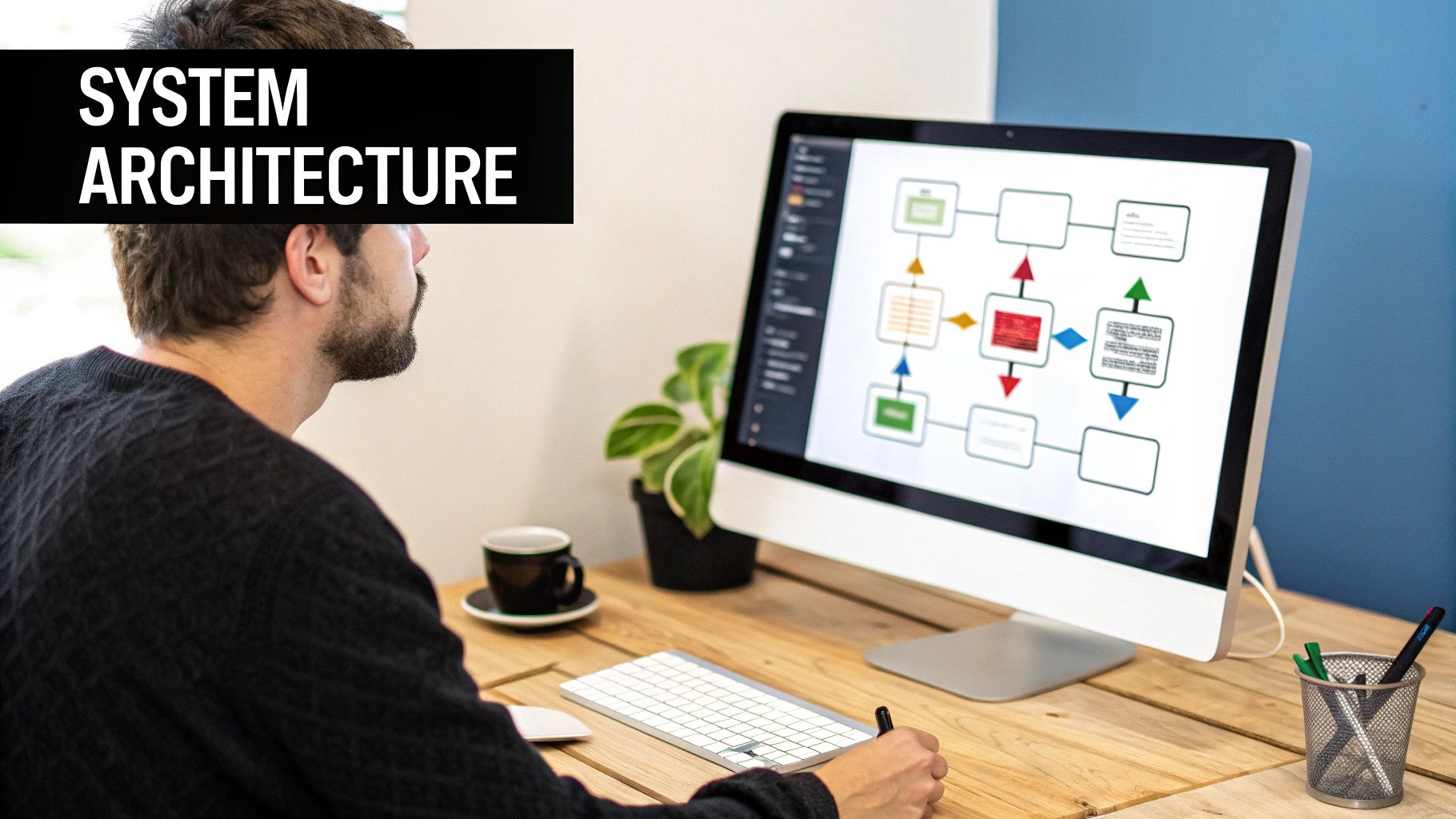
- Balance microservices vs. monoliths by weighing service independence against overhead.
- Maintain a decision log with DecisionID, Date, Author, Rationale, and Outcome.
- Tag data flows with domain context—patient records in healthcare or transaction logs in finance.
Use Case: A finance team’s microservices shift shortened release cycles by 25%; a healthcare team’s schema definition cut rework by 40%.
Integrating Agentic AI And Snowflake
Start with a proof of concept:
- Load sample data into Snowflake
- Define dev, test, and prod accounts
- Enforce role-based access control
- Validate AI modules against synthetic and real data
Use Case: A logistics client parallelized ingestion to boost data speeds by 30% and cut ETL errors by 50%.
Security Reviews And Environment Planning
- Mirror prod data models in sandboxes using masking or synthetic data
- Automate provisioning with IaC
- Integrate monitoring tools at deployment
- Version-control configurations
Key Takeaway: Clear environment separation reduces failures and eases troubleshooting.
Next Steps And Handoff
- Share architecture diagrams and environment guides
- Provide decision logs and core integration tests
Documented architecture plans reduce delivery risks by 35% in enterprise surveys.
Organize Team Structure And Manage Timeline
Balance full-time members with contractors for cost efficiency and niche expertise. Core roles:
- Product Owner
- Project Manager/Scrum Master
- Technical Leads
- QA Engineers
Setting Up Milestone Roadmaps
Link sprints to outcomes:
- Sprint 1–2: Core APIs and database
- Sprint 3–4: Front-end mockups and integration
- Sprint 5–6: Security and performance
- Sprint 7–8: QA and UAT
Tip: Keep your roadmap live in your PM tool to cut status meetings.
Comparing Project Management Tools
ToolStrengthBest Use CasePricing ModelJiraCustom workflowsLarge agile teamsUser-based tiersAsanaIntuitive UICross-functional initiativesFree to enterpriseMonday.comVisual dashboardsResource planningItem-based pricingTrelloSimple KanbanSmall teamsFreemium
Adopting a dedicated PM tool boosts on-time delivery by 35%. See project management statistics on Monday.com.
Managing Global Teams
- Map overlapping hours for stand-ups
- Publish a shared calendar
- Tag critical tasks for visibility
- Hold reviews to rebalance workloads
Insight: Transparent dashboards reduce context-switching and idle time.
Timeline Governance Best Practices
- Define clear entry and exit criteria
- Tie releases to test pass rates
- Hold executive roadmap reviews quarterly
- Archive iterations for post-mortems
Identify Risks And Ensure Quality
Anticipating potential failures keeps projects on schedule. Treat the risk register as a living document with fields for description, likelihood, impact, and mitigation.
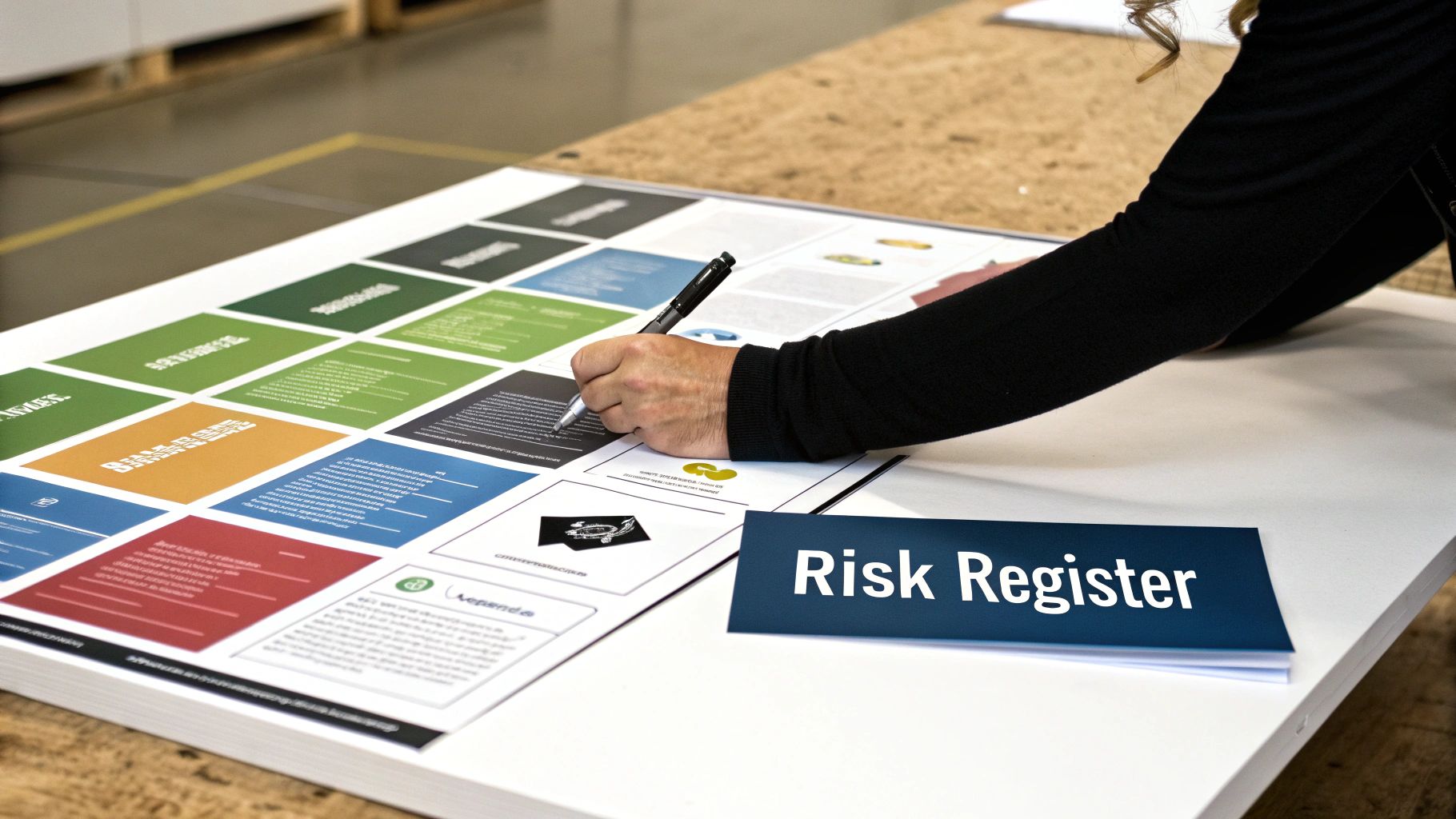
Use Case: Spotting a data leakage risk in a Snowflake integration led to extra encryption and a breach-free launch.
Threat Modeling Workshops
- Run attacker vs. defender scenarios
- Score severity and assign controls
- Feed insights into QA plans
“Threat modeling in sprint cycles catches critical flaws before production,” reports our security lead.
Integrate Test Automation
Embed tests in CI/CD:
Test TypePurposeToolsUnitComponent logicJUnit, pytestIntegrationModule interactionsPostman, REST-assuredEnd-to-EndUser workflowsCypress, SeleniumPerformanceLoad and stressApache JMeterSecurityVulnerability detectionOWASP ZAP, Snyk
Track defect density and aim for 80%+ coverage.
70% of projects exceed costs due to poor planning; 25% fail or deliver poor results. Read ManekTech insights.
Govern Deployment Costs And Monitor Performance
Estimate Cloud Spend Accurately
Tag resources by feature or team and set budget alerts at 50%, 75%, and 90% caps.
Use Case: A logistics rollout trimmed overnight cost spikes by 40% after tagging and alerts.
Set Budgets And Governance Checkpoints
Mirror phases—discovery, dev, staging, prod—with approvals tied to demos and audits.
Governance gates can slash overspend by up to 30%.
Build Observability Dashboards
ToolStrengthBest Metric ViewGrafanaCustomizable panelsTime series, thresholdsDatadogAI-powered anomaly detectionCorrelated logs & metricsSplunkRich log analyticsFull-text search dashboards
Use Case: Custom Grafana alerts avoided a week-long outage and cut troubleshooting by 60%.
Configure Alerts For Key Metrics
Aim for error rates < 0.1%, response times < 200 ms, CPU < 80%. Suppress false positives to cut alert volume by 70%.
Leverage Monitoring Tools
Full-stack platforms like New Relic and Datadog link logs, metrics, and traces.
Use Case: Real-time transaction dashboards halved fraud investigation time.
Frequently Asked Questions
Picking Your Planning Methodology
- Kanban for small squads (6 people)
- Scrum for mid-size teams (12+)
- SAFe for enterprise multi-stream efforts
Coordinating Across Distributed Teams
- Carve out 2 hours of overlap for handoffs
- Rotate meeting slots for fairness
- Use asynchronous Slack threads and Loom recordings
Weaving In AI Components
- Start with a small PoC on a data slice
- Define data sources and cleanup steps
- Monitor model drift and implement fallback logic
“AI prototypes cut error rates by 30%, letting us focus on user features.”
Keeping Scope Creep In Check
- Centralize feature requests in a change register
- Evaluate by impact and effort
- Share a one-page weekly update with stakeholders
Stick to this rhythm to dodge last-minute surprises and keep delivery predictable.


